
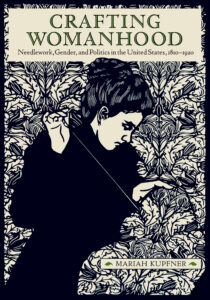
Mariah Kupfner
Hardback
November 2026 • ISBN 978-1-64453-447-2 • $150.00
Paperback
November 2026 • ISBN 978-1-64453-446-5 • $59.95
* E-Book Available
Order Online
Series
Material Culture Perspectives
Decorative needlework was a key medium through which American women constructed femininity and its relationship to public and political concerns in the nineteenth and early twentieth centuries. Through samplers, needlecases, lace coats, silk sofas, cotton scraps, banners, and other textile things, scholars can see the ways in which women and girls related to education, property-holding, slavery and freedom, labor, and women’s right to vote. Needlework’s durable association with “traditional” notions about womanhood made it a potent resource through which to make gender in expansive and meaningful ways that had profound public, political implications as educational opportunities for girls and women were expanding, and the antislavery and women’s suffrage movements were growing. Indeed, needlework’s very conventionality and relationship to the past made it a useful tool for crafting womanhood anew.
About the Author
Mariah Kupfner is an assistant professor of American studies and public heritage at Penn State Harrisburg and the co-chair of the Material Culture Caucus of the American Studies Association.